Around the world, the district energy industry is growing and rapidly evolving, integrating emerging technologies to support and accelerate the energy transition toward lower-carbon solutions. In most cities, the energy consumed to heat and cool buildings makes up more than 51% of primary energy use, making it imperative that thermal energy systems become lower-carbon and more sustainable. In recent years, the industry has attracted a new wave of talented younger people seeking to merge their professional careers with a calling for a more mission-centered future. IDEA is at the center of this trend, connecting people eager to learn with those willing to share experiences and insights.
Industry Outlook
Today, the energy sector—employing over 8.5 million workers—is one of the fastest-growing industries in the U.S. District energy professionals represent a small, but mighty segment of this workforce, driving innovation across the spectrum as manufacturers, engineers, consultants, campus energy leaders, and more.
As detailed in the U.S. Department of Energy’s (DOE) Energy & Employment Report, energy efficiency professionals, including those working in renewable heating and cooling, have a strong future ahead: an average salary that is 20% higher than the national median and projected employment growth of nearly 7%.

Take Measured Risks. Don’t Fear Failure.
While conventional district energy systems are proven pathways to efficiency, the next stage of innovation involves collaborations with emerging technologies to extend these gains even further. Continued advancement relies on a key mindset: a willingness to take risks.
Whether implementing a first-of-its-kind system or volunteering for a new project, venturing outside your comfort zone is as foundational to the field as the central facility itself. Ahmad Bin Shafar, CEO of Empower, and Earl Collins, CEO of Cordia Energy, both stress the importance of “picking up and trying again” and not letting the fear of failure stand in the way of striving for new heights.

Know the Business Inside and Out.
As articulated by Kevin Hagerty, CEO of Vicinity Energy: “There is no replacement for knowing the business well.” This adage is backed by data. According to the DOE report, 35% of surveyed businesses cited lack of experience, training, or technical skills as a primary reason for hiring difficulties in the energy efficiency sector.
Early-career professionals who dedicate themselves to truly understanding their field gain not only a competitive edge but also demonstrate to customers and other stakeholders a genuine passion for the field.
Speak Your Customer’s Language.
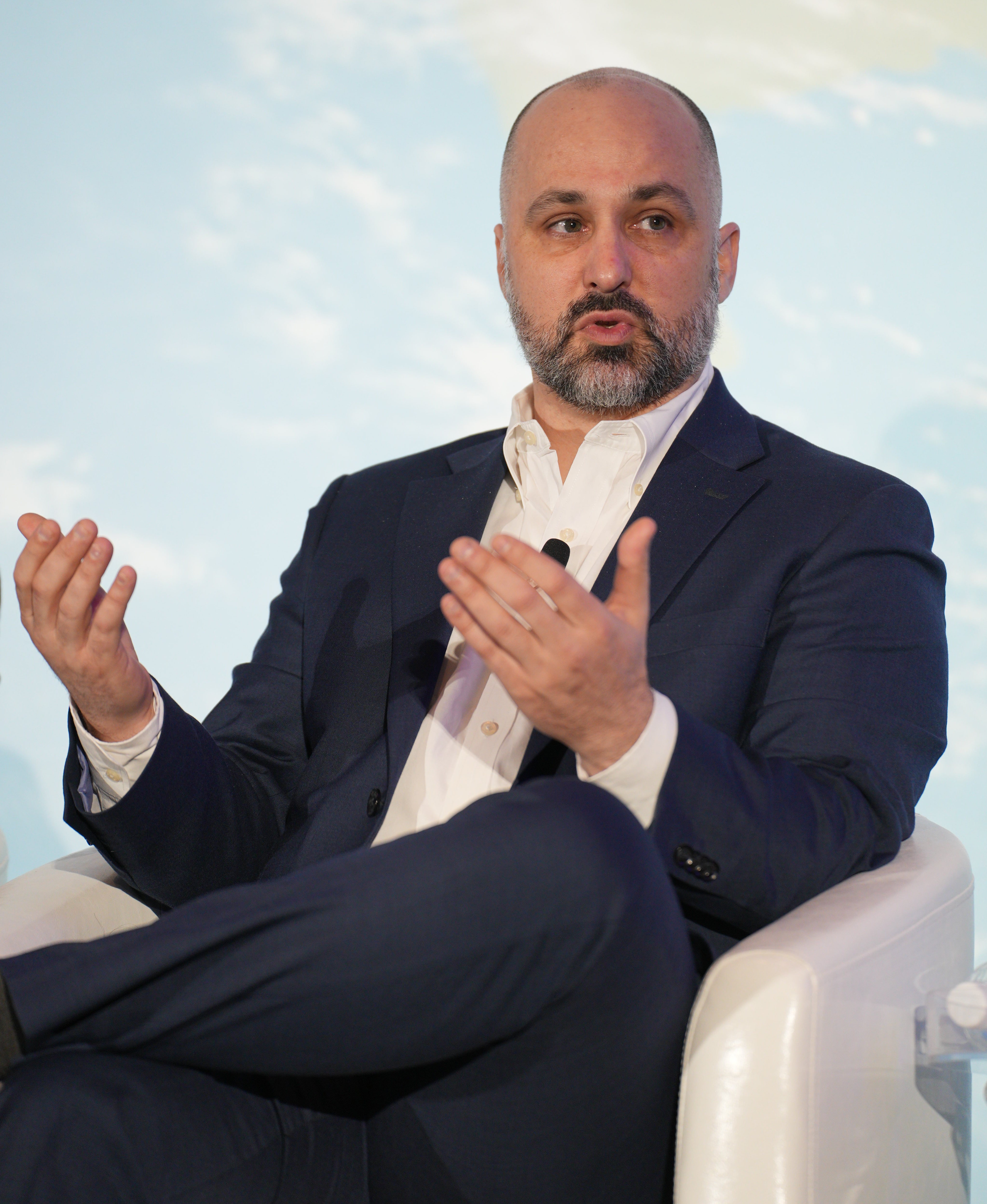
While integral, technical skills and industry expertise alone are not enough for a successful career in district energy. Frank Cuomo, director at Con Edison, underscores the importance of strong communication skills: “If I can’t communicate my ideas and thoughts to a customer, then I am only half [as] effective at my job,” he expressed.
From educational institutions to municipalities, foundational district energy principles may be similar, but the goals, challenges, and considerations of each system owner vary widely. Whether you are a service provider or a member of an operations team, the ability to effectively communicate the value of energy efficiency outcomes in your stakeholders’ language is indispensable.

Strive for Early Impact.
For professionals taking the earliest steps of their careers, it can be hard to believe their work makes a difference. But the days of busywork and coffee runs are long gone—if they ever existed. Today’s talent brings drive, curiosity, and newly sharpened skills that deliver real value.
Offering worlds of encouragement, Luke Gaalswyk, CEO of Ever-Green Energy, says: “Don’t underestimate the impact you can have early on in your career. Surround yourself with good people and don’t be afraid to ask questions or volunteer for assignments.” Many leaders would agree: in this sector, the fresh perspective of a newcomer can be just as influential as the sage wisdom of an industry veteran.

Balance Quick Action with Patience
Behind every compelling case study or district energy success story lie years of painstaking research, planning, and implementation. As environmental and operational conditions evolve, district energy professionals must remain flexible and patient, adapting to new developments but maintaining a persistent, problem-solving mindset. Early career professionals will help shape projects that remain central to long-term energy solutions.
Meghan Riesterer, chief sustainability officer of CenTrio, highlighted the value of patience. “It’s an absolute privilege that we find ourselves in our careers at this point in history.”
When you think about it, many of us are currently working on district energy solutions that shape communities for the next 50 to 100 years—these are exciting times for our industry.
For even more insight on the range of career opportunities available in district energy, and how you can stand out as a candidate, consider attending CampusEnergy2026 and IDEA2026 for in-depth insights, networking, and professional development.
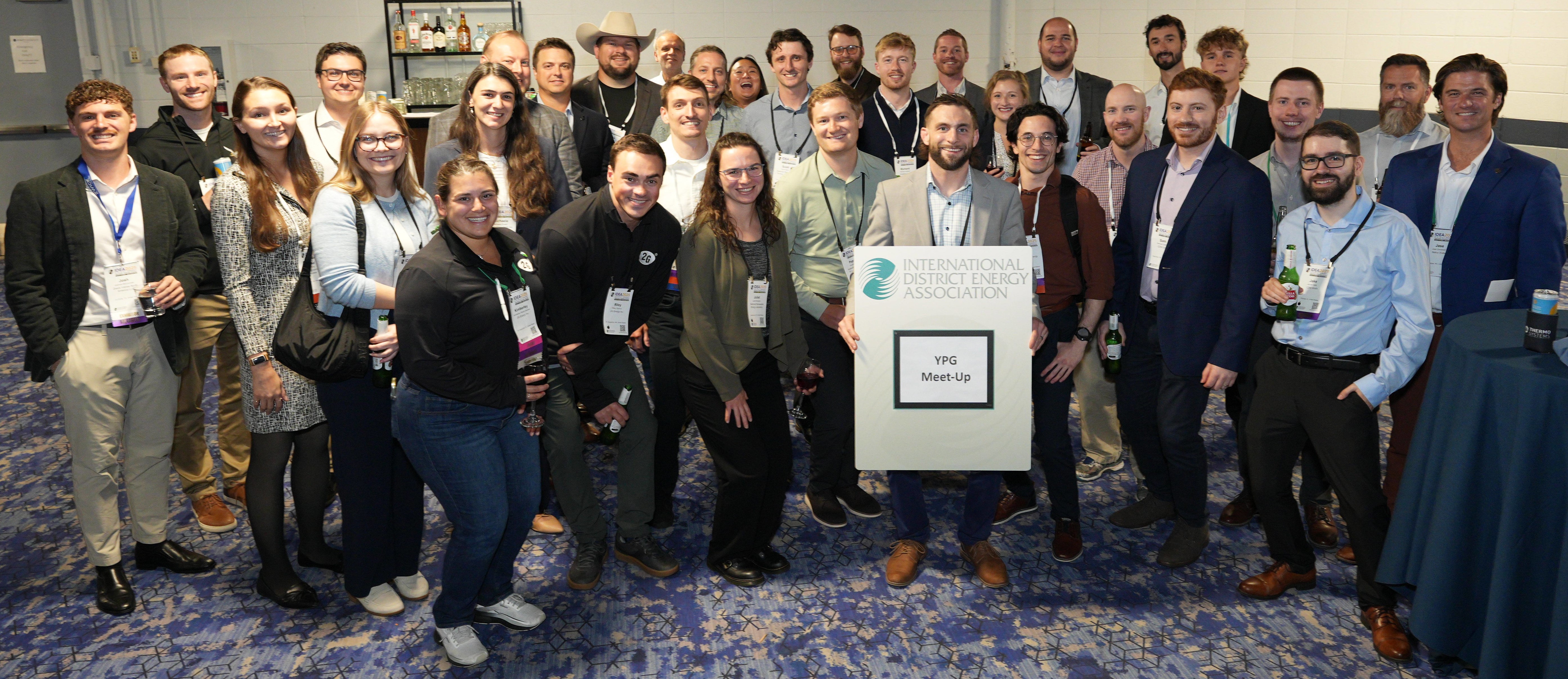
Photo of a recent meetup of the IDEA Young Professionals Group at IDEA2025
#MemberNewsIDEA#IAMDistrictEnergy